


How to Pass Your UK Practical Driving Test Fast: 7 Proven Tips for First-Time Success
Passing your UK practical driving test is your ticket to freedom on the road. However, with national pass rates holding around 47% to 50%, many learners face the frustration—and added expense—of retaking their test multiple times.
Whether you are a beginner starting your very first driving lesson or an experienced international driver adapting to UK roads, preparation is everything. In this comprehensive guide, we share 7 expert-approved strategies to help you master DVSA test criteria and pass your practical driving test on the very first try.
1. Master the Top DVSA Test Fail Reasons
To pass your driving test, you need to know exactly what driving examiners are looking for—and what causes candidates to fail. According to DVSA data, the most common serious or dangerous faults include:
Poor Observation at Junctions: Emerging into traffic without thoroughly checking both directions twice.
Incorrect Use of Mirrors: Failing to apply the Mirror-Signal-Manoeuvre (MSM) routine before changing speed or lane position.
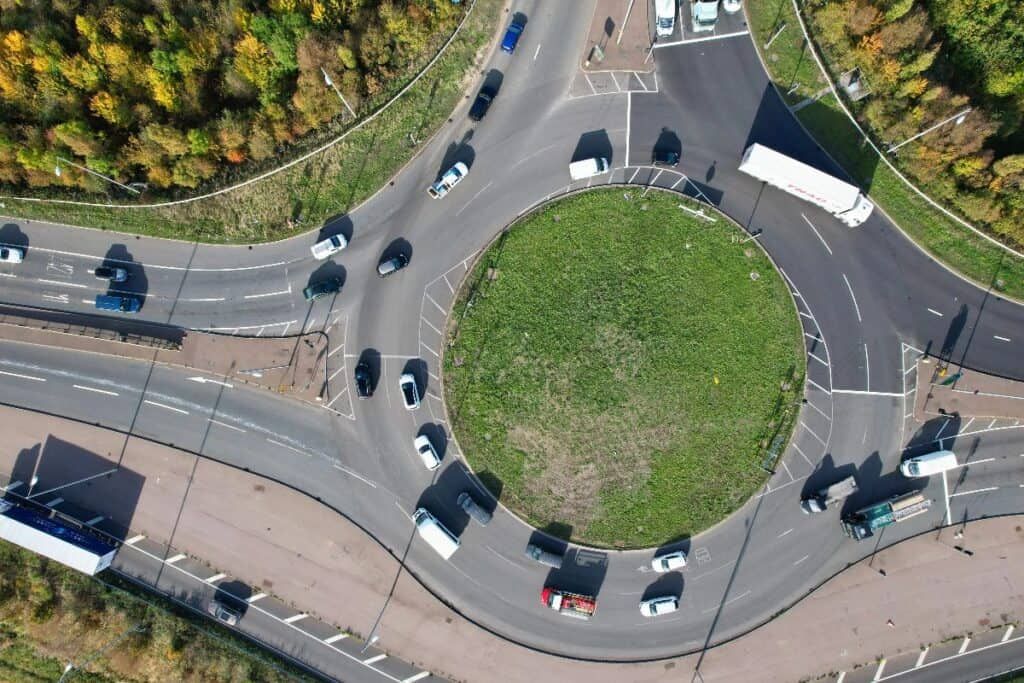
Inappropriate Roundabout Positioning: Cutting across lanes or switching lanes without checking blind spots.
Lack of Steering Control: Understeering or oversteering during tight turns and maneuvers.
By practicing these specific areas during your driving lessons, you can eliminate bad habits before test day arrives.
2. Take Formal Mock Driving Tests
Taking a realistic mock driving test with an Approved Driving Instructor (ADI) is one of the single most effective ways to lower test-day anxiety.
A proper mock test replicates real exam conditions:
Your instructor grades your drive using official DVSA fault criteria (minors, serious, and dangerous).
You navigate unfamiliar local test routes under strict timed conditions.
You practice independent driving using satellite navigation or road signs.
Mock tests highlight your remaining weak spots while giving you time to fine-tune your skills before the actual exam.
3. Practice Local Test Routes and Roundabouts
While DVSA examiners change route patterns regularly, becoming familiar with key local junctions, dual carriageways, and complex roundabouts gives you a distinct advantage.
Focusing on area-specific challenges—such as spiral roundabouts, blind junctions, and high-density traffic zones—ensures you won't be caught off guard during your 40-minute practical exam.
4. Understand the Independent Driving Section
Roughly 20 minutes of your practical driving test will consist of independent driving. During this section, you will be asked to follow either:
Sat-Nav Directions: (Used in 4 out of 5 tests) Following pre-set GPS directions provided by the examiner.
Traffic Signs: Following series of directional road signs to a specified destination.
Pro Tip: If you take a wrong turn during independent driving, do not panic. As long as you execute the maneuver safely and legally, you will not lose points for taking a wrong route!
5. Master the Required Driving Test Maneuvers
During your test, the examiner will ask you to perform one of the following maneuvers:
Test ManeuverKey Focus AreaBest PracticeParallel ParkAccuracy & All-Round ObservationKeep the vehicle at a slow crawl using clutch control while constantly checking blind spots.Bay Park (Forward or Reverse)Lane Positioning & ControlUse reference points and adjust early if you are off-center.Pull Up on the RightSafe Re-entry & Mirror ChecksCheck your blind spot carefully before moving back into traffic flow.
6. Book a Pre-Test Warm-Up Lesson
On the day of your practical test, arrange a 60-minute warm-up driving lesson right before your appointment time.
A warm-up session helps to:
Settle initial nerves and get into the driving mindset.
Get a feel for the car's clutch, brakes, and steering response.
Practice one quick final maneuver before arriving at the test centre.
7. Stay Calm and Communicate with Your Examiner
Examiners are not looking to trick you; their main goal is to ensure you are safe and in full control of the vehicle. If you miss an instruction or sat-nav direction, simply ask the examiner to clarify calmly. You will never be penalized for asking for clarification.
Ready to Pass Your Driving Test?
Achieving driving test success comes down to quality instruction, structured practice, and test-route confidence. Working alongside a friendly, professional driving instructor ensures you gain the real-world safety habits needed to pass with flying colors.
Looking to book high-quality driving lessons or a test-readiness assessment near you? Contact our driving school team today to get started on your road to independence!